
away from the jangle
i step
out the back door
to see, to see
what the ocean
has to say
my bicycle could breeze me to its banks
but, the truth is
just as much the fix is that self reliant prelude
forward progress through open space
my quiet cadence begins the humbling,
the curtain pulling back
and then,
then the big, huge blue
always so excited to see me!
surf swelling and fading
2 steps up, 1 step back
dissolving its issues, while creating some new
and up and up and up
the clouds, their sift
the boundless wonder above
and, i in between
who could ask for a better greeting?
no task except to yield
yield and accept this gospel sung in two parts
nothing to do but extend it some moments
to find
its own way in
away from my quandaries i have wandered
and clutching my reset
i step
through the front door
the fix in
for today
(AWAY, FROM by Susan Currie, as published in the fall 2024 edition of Still Point Arts Quarterly)
]]>
to be idle...
to be idle
what does it take?
what does it take, but to cease
cease the push
cease the verbs and adverbs
cease being driven by plot
to be idle
what it takes is
right here
right here, with eyes not blurred
and ears not dimmed
dulled by the commotion that snatches up truth
to float here un-navigated
drifted only by the breeze
the breeze of this august morning
silent and still, in the absolute
absolute promise of this moment
to be idle is
just
this
knowing
]]>

“Beauty is truth – truth beauty – that is all ye know on earth and all ye need to know.” Almost daily, on my morning walks I pass by this (JOHN KEATS) quote, etched into the exterior facade of the Norton Museum of Art. It never ages and has become, for me, a daily affirmation. For, is that not precisely what we do as artists? Show up fully to the scenes and subjects before us? Uncover their truths, embody them somehow, and then go off and express them for the wonder of others?
I'm not someone who tends to equate or define the truth as a mere set of facts. For me, the truth lies well below a surface - simmering as some utterance of a soul. A lifetime of creative practice (and of studying the works of other photographers) has shown me that we rarely arrive at such utterances by calculating and calling all the shots in our picture making. We get there by loosening our grip, by allowing for the limits of our certainties, and by getting out of the picture.
"No face which we can give to a matter will stead us so well as the truth," wrote HENRY DAVID THOREAU in the pages of Walden. I could not agree more, and to mine it takes work. When I cue this approach of "stepping out of the picture," I'm not suggesting an absence of effort in our creative expression of the people and the moments we witness. But, what happens when we allow the exertion of the technical orchestration of a capture to subside in order to pour that agency into clearing the mind and heightening the senses so that we hear and see our subjects and convey truths from some higher frequency? It's really that simple of a shift. And, we well know the answer. This is a reminder...

DAMON HIGGINS is an award winning photographer for the Palm Beach Post/Palm Beach Daily News. Throughout his 20 year career with the publication, his images have been widely revered by readers for their powerful ability to stop time. It's September in southern Florida. The shoreline pulses a softer soundtrack. As he can attest, in these 90 degree plus days, the treasure trove of February content is not bubbling over. Yet still, an endless humanity endures. The above (words and image) were originally published in the Sunday, August 29th edition of the Palm Beach Daily News. As evident, the content is about one (and only one) thing. It conveys a quiet utterance of the soul - seizes you up as it does. Is Yakov (the subject) in prayer? His companion testimony further reveals, padding the capture's poetry. The moment and the composition are extraordinary precisely because the photographer did NOT plot and intrude in its unfolding. He simply noticed what he noticed, listened in fully, followed some inner stirring, and caught it. There's a collective win in his doing so.
"When I arrived at The Post, the paper was booming. There was this HUGE budget and every photographer had their own assignments, as directed by our editors. Now, that's not the case. Because of our drastically reduced staffing, the photographers have to go out each day and find their own assignments. We have to force ourselves to go out and look for creative stuff. So, you train yourself - train yourself to see what's different each day. You look for the light, and what's happening in it."
"I drive slowly by this stretch of beach multiple times each day, just quietly observing the nature of things to see what shows up. Last week, I saw Yakov standing in the water just staring out to the sky. I watched him for like 20 minutes, his back to the sand. He just looked to me like he was doing something. What it was I didn't know. After asking his permission, I took some shots. While making my pictures, I actually asked him to please not turn towards my lens. I didn't want him to be aware of me. When I got the shot, I knew it was special. Then, Yakov shared his story - why he was there. He wanted everyone to know what the surf does for his knees."
"What have I learned through the thousands of pictures I've captured in my work? In the end... it's not about the photo. It's about the people in them - who they are, their story. For me, just meeting people is the beautiful part."
“Beauty is truth – truth beauty – that is all ye know on earth and all ye need to know.”
The motivations for the endless hours we spend behind these lenses are unique for each of us. The common thread? To tell one story, or another. The evidence shows that we BEST honor the histories we document when we remember to lower our own volumes and simply step ourselves OUT of the picture. Truth is beauty? Often, that is all we need to know.
Above image by Damon Higgins, as published in the August 29, 2021 edition of the Palm Beach Daily News.
Damon Higgins joined the photography staff at The Palm Beach Post in 2001 where, in addition to being named Cox Newspapers’ Rookie of the Year, he has also been named Cox Newspapers’ Photographer of the Year.His work has appeared in a wide range of well known and respected publications, including Success Magazine, ESPN the Magazine, and Palm Beach Life Magazine. To learn more about Damon and his work, please visit DAMONHIGGINS.COM.
 Knowing things for certain has a way of hijacking the imagination we were each born to follow. Yet through our moments, hours, and days... on we forage, striving for certainty. Exhausting and depleting is how I find today's results' oriented existence. And so I turn to my artwork - often using my creative process as a practice field for disabling the task-oriented mind. In that space of free expression, I'm released. For some moments, there is nothing to solve.
I continue to be struck by the places we can go when the calculating and the plotting ceases. As of late, spirals and circles have been corralling my attention. Channeling my childhood perhaps? Summertime has me drifting back to long lasting lollipops and Spirograph sessions, looping wheels and rings over and over just to see where it all led. In those moments there was little demand to produce. It was okay to not have all of the answers. As in those free form hours of my youth, I've found a soothe in just following the lead of my current spherical callings. And surprise, surprise... in the ease, SPIN, a new collection of work, came to meet me.
"YOU MUST LOOK WITHOUT LOOKING TO MAKE THE PERFECT CIRCLE..."
SPIN is an overture to wander in... a fine art series of visual prompts which invite the viewer to still the moment, step away from today's swirling existence, and connect back to a single point of focus. Simply designed, the collection welcomes back wonder and a slow reveal. Available as perfect square metallic prints, and as (extraordinary) one inch thick acrylic photo blocks, SPIN twists the vibrant colorscape here in southern Florida, as originally captured through photographic images. The works' purpose? To offer a polychromatic anchor in which to breathe, reconnect with stillness and disable the incline to unriddle.
Tell me ONE thing you do not know?
above quote excerpted from "how to draw a perfect circle", by terrance hayes
]]>

The best-selling author Malcolm Gladwell thinks people should be more disagreeable. “A disagreeable person (as defined by psychologists) is someone who does not require the approval of others in order to pursue what they intend to pursue.” In a recent podcast conversation, Gladwell shared this particular unpacking of such individuals. In praise of this character attribute, he furthered that perhaps we, as a culture, sell short just how integral this trait is — particularly for people who “endeavor to improve our world or drive innovation.”
“If you are someone who can’t move a muscle unless the world aligns behind you and pats you on the back, there’s a limit to what you can accomplish.”
Offensive, unpleasant, obnoxious, and abominable… all words which could seamlessly be swapped out for “disagreeable" in its familiar interpretation. The term is customarily lodged in such a light, yet as Gladwell posits in the above language, the characteristic is the X factor in terms of breakthrough. Through the ages, nowhere has this trait been more critical than in the creative life where innovation is endlessly driven. We make art to move ourselves and possibly to move others. In staying true to the former, we make the work that at some point may achieve the latter. Losing the “please” factor liberates our practice and our process and opens a truth fluency in our creative pursuits. It is precisely how we get to extraordinary.
Archie Bunker, Larry David’s character on Curb Your Enthusiasm, Lucy (sister of Linus)… all amply embody the “obnoxious” quotient and could be deemed consummate disagreeables. But, in looking through the trait’s alternate lens, Vincent van Gogh, Zadie Smith, Jackson Pollack, Miles Davis, Jack Kerouac, David Lynch and the likes might be as well. Absent any concern for applause, in their creating, grammar is defied, lines are blurred, mediums are mixed and instruments are unconventionally rigged and tuned, all in order to artistically express themselves in the only means the know how.

Singling out the painter Mark Rothko, I devote a chapter (titled, Who Cares) on this truth in my new book SUPERFLOW Light Up the Artist in You (Nine Rivers, 2021). For the first twenty-five years of his career, Rothko made his paintings on nights and weekends — due to his day job as a teacher—selling zero to few works well into the 1950s. During this chapter of his life, he simply had no interest in defending his work to an audience that could not understand him and his bolt from tradition. Rothko refused to let their confusion derail his world of imagination. So, he continued his slow probe of layers and color blocks, insisting on a creative dialogue that included only him and his art.
How is a “disagreeable" nature integral to our art making? As modeled by Rothko, by refusing to let one’s brushstroke be directed by some external source (i.e. praise), songs and poems and plays are incubated and gestated from the interior — that field of pure imagination. Can you imagine the wonders of which the world would have been swiped had Rothko allowed his inner wisdom to be hijacked for the sake of the high fives of another?
We can practice being disagreeable through the ongoing checking of our personal motives. It’s a powerful probe to pause in whatever creative thread you are following right now and inquire in to weigh the degree to which any external approval might be compromising your true vision. This is not an exercise in which to beat oneself up, but rather just to notice what you notice and in that recognition perhaps dial back that diversion.
“An artist is a person whose hunger refuses yesterday’s bread.”
Jane Hirshfield
Today’s group think culture is endlessly pounding home a message of compliance. Of course conformity makes sense in certain of life’s respects, but creative expression is not the place in which to practice passivity — not if you hope to make the rhymes and pictures and paintings that astonish. Creativity extends to each of us a distinct platform for practicing and flexing the disagreeable muscle, to make small protests as we say “so what,” and then go see for ourself. When we do, we unlatch the gate to making work that is limitless and boundless and pure. Stay hungry, practice, study, practice, breathe, practice and be well. And to that mix… allow some space for being disagreeable?
]]>
Corrective measures — something I find myself endlessly charting right now in order to counter the fog which seems so determined to linger. Concentration is perhaps the prize I am mostly seeking in my plotting, and fortunately there are art museums. One of my go to upgrades in blurry moments is to take myself to these havens of wonder.

Art… it stands ever ready to meet us when the commotion of life depletes. Sometimes softly, and at other times more audibly, yet rarely does it fail to deliver. In its presence I reclaim my curiosity, source resilience and am reminded of some other way. A recent visit to the Norton Museum of Art in West Palm Beach, found me gathering such offerings. Standing before Typewriter Eraser, Scale X, (1999) created by the Swedish-born American sculptor, Claes Oldenburg (in partnership with his wife, Coosje van Bruggen) my correction arrived.
Oldenburg is best known for his public art installations which typically feature over-sized replicas of everyday objects like the typewriter eraser. His works are a slow build, with an extended period of pre-op work playing an integral element to the finished product. “We work our way through one image after another in words and sketches, testing them in models that can serve as the starting point of fabrication in large scale.”

Visual Notes
Well before taking on his actual works, Oldenburg immerses himself in the practice of building “studies”. Studies have a long history in the visual arts, tracing as far back as the Italian Renaissance. They are drawings, sketches, models or paintings done in preparation for a finished piece. For the artist, they serve as visual notes and are often employed to explore the problems involved in rendering subjects and to sketch out its elements.
Oldenburg’s studies of his towering typewriter eraser are installed just steps away from the grand finale, and these initial iterations speak of what feels like some bygone era of making art, offering insights into the sculptor's slow process of acquainting himself with his subject. The work's early glimpses also drive home the fact that the extraordinary is not built on swift glimpses. It is born of staying and waiting and following one’s questions. While the sculpture (pictured at top) is the “wow,” it takes on an entirely different scale alongside the hints of its origins.

Although I am not one who sculpts, how might I weave "studies" into my practice(s) of making pictures and building sentences? And, what do these visual notes require? Time and single pointed attention. And, perhaps most importantly patience — well before any first notes are played or brushstrokes are applied. And just like that, I find myself miles away from my speedy and scattered reality — transported back to wonder by this history of another which has so powerfully illustrated that studies translate to work, in progress. I have seen for myself that beyond offering an artist fresh insights, studies force a slower climb. They add layers (and hours and days, and perhaps weeks) to the process, which of course runs counter to much of the messaging assailing us in today’s results oriented culture. Yet, these layers create time and space to consider multiple orientations and compositions, and to refine one’s vision. Fingers are not snapped to suddenly make happen such magnificence.
“A request for concentration isn’t always answered, but people engaged in many disciplines have found ways to invite it in.”
I’m in the habit of calling upon sculptures and paintings and assorted other works of fine art in my “requesting”. Museum field trips are my bridge back to me. What is the place or space or experience that sorts you out? The invitation that the author Jane Hirshfield refers to in the above language takes the shape it will for each of us individually. Roam where you want to? The point is to keep making the appeal.
]]>

Evertime… Does it mean there exists an infinite number of seconds, minutes, hours, days, weeks, years and decades? Is it a field in which one flows boundary-less and free? Is it just two rather ordinary words hitched together by some thinker bold enough to build a vocabulary all their own? The website definitions.net explains evertime as, “the exact moment of each actual moment.” Hmmm….
I look down at my handwritten notes to self, and evertime stares quizzingly up at me. I think that probably I swiped the term while off field-tripping… snatched it from one of those small plaques installed alongside works of art in museums and galleries. Likely the two words were selected and fused together by some curator to say some thing, just so, about a painting or a photograph or a master work of some fashion.
To that stranger in the gallery or museum who strung together the two rather ordinary words and left for me the cue, I now silently bow. His or her or their curious blend plucked me from my drift and for a few moments dusted off the haze in which I am accustomed to roaming. They, and likely the accompanying art, were cause for some note on my part. And, here in a nothing special notebook, among my assorted scribblings and jottings, I uncover evertime. Another chance meeting with a message that clearly has something more to say.
Evertime… as I allow it into my morning practice of expressing something, I am reminded of the edgeless horizon. As I segue into some free writing, I take its abstract directive to slow my steps and take the time my imagining demands. As I do, the gate unlatches into a wide open where I do not know the time, or the answer. And, that for now, makes all the difference in the energy which I bring to the words and sentences I find myself placing on the page. Sentences lead into one another, uncalculated, as paragraphs begin to build. My mind take me back to 7 or 8 years old, carefree and up in the air on a swing. Carving through time and space. No destination in mind, but the muscles are freely flexing.
“You were made and set here to give voice to this, your own astonishment.”
Annie Dillard
"Whether field tripping or grocery shopping, have ready a small (nothing special) notebook at all times," is an invitation I offer to readers in Chapter Five of my new book SUPERFLOW Light Up the Artist in You. It is not an earth shattering directive by any means. Why is it so worth one's time? For just this… in order to record those hues, quotes, faces, soundscapes, landscapes, threads of billboard copy, song lyrics or peculiar word blends that speak up to you. Regardless of your medium, notice these things that tug at you in some way and catch them. For one day these random seemingly records will gather you and serve as power sparks when making your first brushstrokes or sketching out your opening scenes. My experience has been that they find you for some eventual purpose. And, though your communion with them may be well down the road, such jottings are powerful allies in the creative life. Take them as they come. Trust that they will find a way into your expression as needed. When they do? Sift into their riddle, and paddle out…
]]>

Have you looked at the sky today? It's an exercise requiring so very little of us, yet often when posed the question, the answer is not "YES". Subtraction is the mighty trick for reclaiming small portions of our (choked) fixed 24 hours and a tool for getting to "YES". It begins with saying “no thank you” to those responsibilities, commitments, myths, invitations, bad habits and assorted other detractors that make less of you, instead of make more.
Subtraction is limb #2 in SUPERFLOW, a soon to be published book designed specifically to light up that artist in each of us so that we might access the superpower that is our creative muscle. As we slowly emerge from this all-depleting life chapter, our creativity is here at our disposal. In 10 refreshingly light chapters (brimming with insights and guided practices), SUPERFLOW offers the sequence for seizing it.
The SUPERFLOW approach to flexing our collective might was crafted to serve as a functioning modern-day playbook for channeling the beauty, we each uniquely see, out through our most authentic lens. Its content invites artists of all levels and all mediums to consider a new game plan for making art. SUPERFLOW's structure is unique in that it is a duet of 2 components which stem from the Tibetan term for the word enlightenment, a union of two words "sang" and "gyey".
The first half of the book is dedicated to “sang”, meaning a clearing away ofthe delusions and bad habits of the mind, and the second half to “gyey”, the developing and bringing forth of our true nature. After a deep exploration focused on creating those conditions which makes space for our true visions to emerge, SUPERFLOW's second half ("gyey") guides the reader through a process for expressing their creative notes. Throughout both segments of the book, its pages detail experiences from my 2 decade long spiritual practice, and my life as a working artist. They also makes space for a host of shared wisdom from artists of all disciplines. A series of powerful practices invite the reader to engage directly with its teachings as they unfold.


The SUPERFLOW sequence is a structure of principles intended as a game plan for reclaiming a bit of you — a doorway into living your purpose. So many of us cling to the false narratives that we are somehow not creative and have no business engaging in the making of art. SUPERFLOW busts through that fog extending readers both a permission and a framework for following their imagination - at an easel, sitting down at the piano, behind the lens of a camera, at a potter's wheel, with a keyboard or sketchpad... endless margins.
I share this approach for lighting up the artist in you not claiming to be an authority figure of any sort. But, there is tremendous satisfaction in making one’s formula for breakthrough available to another. In its application, I continue to personally witness small SUPERFLOW epiphanies both in my own creative endeavors and in the pursuits of countless other artists and artists- to-be. The accompanying before and after image examples illustrate the difference this playbook can make.


There's a term in the Sanskrit language... "Ehipassiko". It translates loosely to, "come see for yourself". SUPERFLOW the book will be available in wide release in early summer, and I invite you to do so. Please stay tuned for virtual and in-person creative workshops which will offer transformative experiences for lighting up the artist in YOU... and lots of space for looking at the sky.
SUPERFLOW: LIGHT UP THE ARTIST IN YOU
PALM BEACH PHOTOGRAPHIC CENTRE
BREAK OUT BEYOND THE ORDINARY IN YOUR CREATIVE LIFE
4 (VIRTUAL) 2 HOUR SESSIONS: 10 AM - 12 NOON
THURSDAY, MARCH 11
THURSDAY, MARCH 18
THURSDAY, MARCH 25
THURSDAY, APRIL 1
]]>
The term "soul companion" often conjures up visions of human beings, in harmony speaking a language all of their own. A recent experience behind the lens found me extending this concept out beyond the margins of its typical application. The shoot had me recalling that a place has a soul all its very own and in recognizing and honoring that truth, we can achieve a similar harmony... where process truthfully replies to its echoes.Addison Mizner defined the architecture of South Florida. Establishing his signature Spanish and Mediterranean style in the 1920s, he went on to design more than 50 Palm Beach villas and Florida mansions for the nation's "leading social families", as well as the famed Everglades Club. A romantic and freewheeling visionary, his designs often took on the air of movie sets from Hollywood's golden era.
"A prose portrait suggests the atmosphere of the sitter's identity, not just their physical appearance."
Duane Michals
Many of Mizner's timeless dwellings live on here, where I now make my home. There is a sacred quality to their light and energy, an irrefutable soul, a timelessness which staggers. I recently had the chance to photograph under one of his roofs, and stepping into that glorious energy had me hearing that halt loud and clear, and its (re)direction to speak back accordingly. So, I stepped out of my routine. I reposed and got intentional with my equipment and the capture's approach. How might I craft the setting's soul companion?
PLACE + PROCESS
What is a soul? Loosely defined it is, "the immaterial presence or actuating cause of an individual life". Few are created equal. And yet these lives have ways of finding an "other". In getting quiet, pausing with place and reading its essence, there comes an opportunity to stretch this definition out beyond its borders in the pictures we make. Through tuning the creative process to its very key, we can honor the soul of a place, and... discover its companion?
The companion images in this post were created in Palm Beach using only natural light and the Lensbaby Velvet 56 and Sol 45 lenses.
]]>
X FACTOR
i am not then
THAT was before
i am not when
BUT i could be
… some day
what i am is NOW
and, at it i may glance
or, offer myself HOLY
]]>
 Ease of mind, peace in the body, fields of quiet contemplation. There are countless routes to such destinations. Inhales and exhales are the usual suspects no matter the chosen course. Not the mechanical inhales and exhales which sustain our physical selves. Rather, the variety which nourish the soul -not restricted to meditation or prayer or any other framed view.
Fade far away, dissolve and quite forget
What thou among the leaves has never known,
The weariness, the fever, and the fret
In my work as both a photographer and a writer, I have long held a prism up in study of the assorted manners in which we as a culture "exhale"... the ways in which we (as Keats so eloquently terms it) "dissolve". BREATH TAKING continues these threads, probing gestures and instances of subtracting ourselves from the grid of life. My intent in the book's pages, filled with fusions of words and images, is to reflect back truths of the mosaic of practices and experiences in service of breathing… and those hints of glory which take our breath away.

Here’s a bow to breath taking whatever the shape... now more than ever? Purchase BREATH TAKING: The Language of Pause...
]]>

Among the many outlets in which I have taken refuge over these past several months is the podcast MEDITATIVE STORY which combines rich personal tales in the foreground with lush soundscapes in the back. Tucked in among the storytelling are one or two meditation prompts. As the podcast's personally narrated stories unfold, they extend to the listener a swift unwind, taking you right back to being read to as a child. Cannot recommend it enough!
In a recent episode, entitled A Cowboy's Rule for Listening, the poet Waddie Mitchell speaks straight from the heart of growing up on his father’s ranch in Elko, Nevada. We hear how as a young boy he watches the cowboys around him (or buckaroos) with awe, silently absorbing their stories and manners. From that deep listening he masters how to shoe a horse, start a colt, lead a crew and tell a tale. Through the buckaroos he learns that adventure and freedom aren’t things to seek elsewhere.
Throughout Waddie's storytelling he makes sacred the act of listening, impressing it as a privilege to be enjoyed. His mastery of taking slow, deep notice clearly have everything to do with his power of story and its telling. As he crafts his account, he is absolutely in and of himself, not any other person. Without consideration or distraction of extraneous factors, he is right there - in the raw materials of his life.

As I took in Waddie Mitchell's quiet imagery of the sounds and smells and routines of his rather ordinary ranch life. I was reminded of the goods we have right here before us in every moment and how in seizing that bounty we make the pictures and the poems that only we can make. His story didn't capture my attention with glamor and intricate language, but rather by a poetry that he was able to patch together in the simple act of planting himself fully and sharing that experience's unfiltered essence.
I get to listen...
Creatively, we plot and we study and we calculate... and, these efforts at times do have their merits. But what if we just got back to listening and observing, and learning that way? Isn't it true that, time and time again, when we pause all of the striving and just come back home to ourselves, observing the nature of things as they are, that's when the real magic happens?
Gift yourself a 20 minute exhale and enjoy (freely) Waddie Mitchell's Meditative Story through this link...
]]>
"What would you think if I sang out of tune," asked Ringo back in the day. He wondered if his audience would "stand up and walk out on him"? Behind his query is the riddle whose solve continues to elude so many of us who set out to express ourselves creatively. Adoration and perfection... hindrances which drain much of the magic from the beauty we might express. How might we make them less mighty?
 My experience has been that there's a powerful creative reset at hand in the ongoing act of reconnecting to those motivations for taking our voice to the microphone, the pastels to the textured surface... our eye to the viewfinder. I do so periodically by unplugging and drilling down, truthfully on WHY it is that I make these images. WHY it is that I take a pen to the page to set these pictures to poetic verse? It's an exercise rich in return and an opportunity to both recall and re-order my purposes. In getting quiet with this question of WHY, my list generally resembles something like this...
- Because only I can see some thing in a certain light
- To practice and learn and stretch my mind... to grow as an artist
- To mute the external noise, exhale and get present
- To make a record that a certain person, place, thing or moment happened... and to tease out its extraordinary
- To, perhaps, one day share it with another?
If approached (care)freely, a list as this should build (and order) itself fairly effortlessly. Such an account will be (and should be) unique, for each of us. However, motivations such as my Number 5, will to some degree likely be a given for all. It's a reality not to be excluded, but rather dimmed. Despite our best attempts, forever there simmers some concern for how others may react and receive our imperfect artistic expression. The question becomes, how much weight do we allow it to seize? Regular visits to such probes present golden opportunities for reclaiming our motivation and shifting back to truth as the driving factor in our creative process.
 When I downgrade the "riddle" to the bottom of my list, I cut off a bit of the clench the applause factor holds on the work that I make. In a gesture of pause to consider the hierarchy of my purposes, well before the click of my shutter, often a quiet recalibration happens. Of course ongoing practice is essential in order to build some muscle memory around this recall. And, despite my efforts, many days I find my list going straight out the window as I lunge forward in a fog of outside influences. But some days... some days I remember, and when I do my "verses" are just a bit truer.
Back to the Ringo question... Lucky for us, he sang out his tune, and of course, we know how that plot unfolded!
]]>

"Wherever your mind finds satisfaction...
there is your meditation."
On the days when I am able to get fully present with the concept of "good morning", I make my way to my camera. These courtships, without fail, upgrade the tenor of not only my mornings, but often my afternoons and evenings as well. Among the dividends they pay me personally are breathing lessons. "Wherever your mind finds satisfaction... there is your meditation," writes Lorin Roche on page 260 of his wonderful collection, The Radiance Sutras. His observation removes the formula factor, allowing the practice of meditation to become more free range. Meditation can be a swift elevation to everyone's hours, and its construct looks different for each of us. Getting creative for some moments is the shape it takes for me.

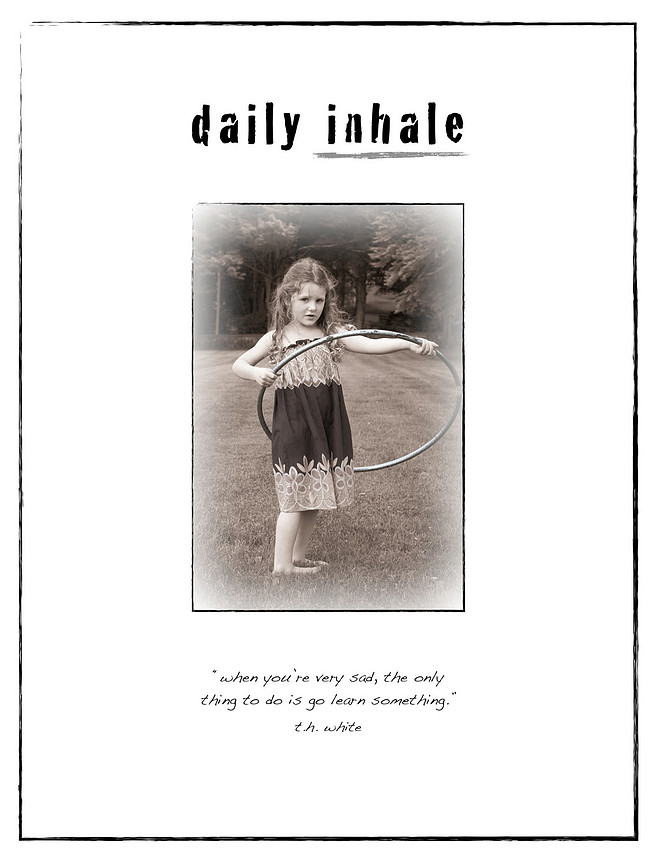
The other teaching I find this "good morning" embodiment imparts is the essential reminder of how much I still do not know. “The best thing for being sad… is to learn something. That is the only thing that never fails," wrote the author T.H. White. Out communing with the natural world is where I take my teachings. "Learn why the world wags and what wags it. That is the only thing which the mind can never exhaust, never alienate, never be tortured by, never fear or distrust, and never dream of regretting.” Wonder + Breathing = A little CHEER.

To the countless sidewalk strangers whose paths I cross on my morning walks, I say "thank you" for helping to make "good morning" my mantra during these times especially. It cues me to go out and find my smile... and recall that plenty, is enough.
]]>

Field Trip... hearing the term, I at once go back to my grade school days when once or twice a year, just prior to being released from class, a certain form would be distributed amongst me and my classmates. It indicated that a field trip was in the works. The paperwork being distributed required the permission of an adult to grant us that rare reprieve from the routine of schoolwork, recess, schoolwork, lunch, schoolwork, homework... and then tomorrow all over again.
"Immediate sources count for a lot."
Beyond breaking up the monotony and a dose of freedom, what do field trips offer? Back then, and still now they extend the chance to bust out beyond the confines of ritual in order to wonder, to use outdoor voices for more than some allotted 20 minutes and to shorten the distance between you and your object of study. The intention is that we return from these field visits refreshed and curious with a mind that has been stretched in some new ways. Frank Stella, in the above quote, sums up well the power of up close encounters with our objects of study.

I remain a big fan of field trips and indulge in them as much as possible. I find that the attraction or actual distance from home matters little. My purpose with these adventures is to detach myself from the classroom that is my studio where I clutch to the delusion that I have some supreme command over knowledge. These step aways, for me, remind me of the vastness that I do not know and nudge me to salute the questions - mostly through the lens of my camera.
This past weekend found me enjoying such a field visit at the Vizcaya Museum and Gardens overlooking Biscayne Bay in Miami. With its timeless Mediterranean-style architecture, and collections dating from the early 20th-century all the way back to Pompeii, Vizcaya’s Main House was the jewel of a fledgling Miami when it was built between 1914 and 1922. Its surrounding 10 acres offer visitors spectacular "Italianate" gardens. Stepping through the property's magnificent entry gates you at once feel as thought you have been magically transported to Florence.

Upon arriving at my destinations, be it a quiet garden or a grand plaza, I try to resist the reflex to fire my lens in all directions and instead use the soundscape and the contours of these settings to wander and slowly connect with the spirit of the place. In doing so, the shutter is depressed far less frequently (and that takes much practice and patience), but mostly the yield is well worth it.

Returning to class from those grade school field trips, often we would be required to produce a report in order to establish some evidence of our learning. Despite all of its splendor, the quiet story that unfolded for me at Vizcaya was this timeless European air, smack in the middle of Miami of all places. The images captured here with my Velvet 56 Lensbaby document a bit of my learning experience.
I find the Velvet family of lenses, hands down, to be THE perfect field trip companions - especially in weathered settings such as Vizcaya. With a dreamlike quality, they rather effortlessly capture the faded pastels, well-worn cobblestone and pulsing romance of some bygone chapter. I photographed much of my recent book breath taking the language of pause, wandering the streets of Paris, Brussels and Florence with this family of lenses in tow.
Here's to field trips, and to their evidence of a mind stretched, with ever more to learn...
Lensbaby is a manufacturer of special effects camera lenses and accessories - for cameras of ALL shapes and sizes. The company’s mission is to support photographers in discovering “more wonder”. Amen! Each field trip with my Lensbabies finds me truly seeing in a new way and enjoying many happy accidents... like the photographs contained here. You can learn more about the Lensbaby product line through their website. I'm pleased to share with you this discount code should you find a product there that strikes your fancy: WCurrie
]]>

I can read some music, but I have absolutely NO idea how to play a violin. Yet this instrument is a longtime friend. Through two decades, it has journeyed with me from one house (or studio) to the next. The violin was purchased years ago at a not so snazzy music center where my daughter had been taking guitar lessons. The centre was really a retail store with a few small practice rooms tucked in the back. There was no waiting room, so parents were left to pause for 30 minutes in the clutter of the “show room” amidst a soundtrack of competing scales straining out from the students. One afternoon, from the plastic and packaging and jumble of the shop’s two or three aisles, this treasure leaped at me… an emblem of quiet, of analog. The manager offered me a deep discount, disclosing that its body had a defect and was no longer playable. Worked out perfect, as I had little intention of making music with it.
"What I wanted from this fiddle with the hollow wooden body was just its elegant whiff and gesture..."
I make my music, with a camera. The sound is different from strings being plucked, or stroked with a bow. But, it’s how I go out and try to make my joyful noise. What I wanted from this fiddle with the hollow wooden body was just its elegant whiff and gesture… a reminder of the note in us all. Endlessly, it has delivered, continuing to avoid the edits I make to my tapering stash of allies. Still here, beside me it shines, repurposed, as I write and make my pictures… in yet another zip code.
This essay is currently featured in the Fall 2020 issue of Still Point Arts Quarterly. The theme of this issue is "The Secret Life of Objects". You can (freely) enjoy the full issue through this link.
]]>

"Poetry forever grants us leaps and blurs."
Often I begin my Sunday mornings with the Poem feature in the New York Times Magazine section. The poems are (mostly) wonderful, but it is the murmuring that precedes the weekly selection - compliments of the feature's curator, the poet Naomi Shihab Nye. Generally she keeps it brief, but always leaves the reader with something quotable. In the introduction to a recent installment to the poem My Father Disappears Into Flowers (by, Jan Beatty), she offered this, "Poetry forever grants us leaps and blurs."
I took Ms. Shihab Nye's reflection with me this week up along the seaside in New Hampshire... making some poems with my camera. "Leaps and blurs," a splendid reminder to soften the grip!


The poet Mary Oliver is well-known for attaching herself to her subject, often the natural world, and staying tethered to it until her observations spilled out in fantastic and unpredictable verse. "The singsong poem is a dull poem," observed she. Oliver opposed predictable rhythms, and championed the awakenings that often arise in a more free verse. As someone who has studied both her poetry and her teachings on writing, my understanding is that Oliver was not in any way advocating for a calculated disruption to a work's rhythm, but rather a yielding to it as it presents itself in the complete consumption of a subject.
"Wherever men have lived there is a story to be told, and it depends chiefly on the storyteller whether that is interesting or not."
In March of 1845 Henry David Thoreau went to the woods in an effort to live more “deliberately”. Back then he said this, “wherever men have lived there is a story to be told, and it depends chiefly on the storyteller whether that is interesting or not.” Thoreau, like Oliver was a master of the three dimensional life… of staying astonished. To him, experiencing things forward and back, inside and out, and over and under were as essential as breathing. As the record shows, his way of life resulted in few "dull poems".
Oliver and Thoreau's imprints are ever with me when I am out "stalking" my subjects. This particular one along the coast of Palm Beach, Florida is a longtime friend. For over two decades now, its poetry keeps calling me back. With my lenses, I've recorded this horizon, edged in a peach coral, endlessly. Despite that creative investment, for me, here there is some ongoing story to be told. THOREAUING is a verb I patched together some time ago. It best defines this practice of completely consuming a subject.... it keeps my barreling forward in check and reminds me to lock in and stay put and to not settle for "dull poems".
]]>
 ]]>
 ]]>

Among the abundance of wisdom Fred Rogers imparted to us in his lifetime was his assertion that, “Play gives children a chance to practice what they are learning.” It's a truth which is by NO means limited to children. Regardless of our age, always there is something new to be learned - a skill to be honed. The space of this collective pause extends to us a wonderful opportunity to get back to the long lost art of play. Not only is play a wonderful distraction, but it also offers a desperately needed pressure drop.
"Don't write love poems; avoid those forms that are too facile and ordinary. Rescue yourself from these general themes, and write about what your everyday life offers you."
In an effort to source some resilience during these heavy days and hours, I've taken to stamping out a weekly play date. For me, these immersions are creative, and they basically look like a solo couple of hours on a designated day once a week. NO agenda, NO expectations... NO finish line. Of course there are weeks when, despite my best intentions, the commitment simply does not happen. But, for the most part, these dates for practicing what I am learning are non-negotiable. What I am ever learning is how to be true to to my voice through my camera...

"To know how to play," wrote Ralph Waldo Emerson, is a "happy talent". My weekly self-engagements (intentionally) sport a bit of a "la-di-da" quality. Given that, my LENSBABIES are the perfect companion. For those who are unfamiliar with LENSBABIES, they are manual focus fine art camera lenses with names like Twist and Velvet and Swirl and such. They were designed specifically to invite photographers of all levels to see in a new way. "Let's be surprising," they dare to say. By removing the weight of "precision" and "nailing it", the product line nudges the user to loosen their grip resulting in a kind of poetry that I personally have not been able to tap into using traditional camera gear. I also tend to show up for these practice sessions utterly unprepared in terms of a subject or concept I plan to capture. Taking a cue from the (above quoted) teachings of Rainier Marie Rilke, I instead try to take any marching orders from "everyday life", and what it happens to be offering me. These days, my life experiences seem to be pointing my focus to "home" and the concept of being held, carefully and quietly.


The unusual, the unexpected, the unbelievable... just some of what I have come to expect from my outings with these wonderful lenses. As illustrated by the images sprinkled about here, there are lots of happy accidents that occur in my "play". But, who cares? For me, the practice is part of the fun of it. For a couple of shining hours each week, I get to follow some new threads not tied to any particular outcome. In that space, the daily drumbeat of gloom vanishes, my mind gets a little stretched, and perhaps everyone is better for it? Here's to "happy talents", mine and yours!
and hard enough at yourself in isolation and
suddenly you will see the rest of humanity staring back."
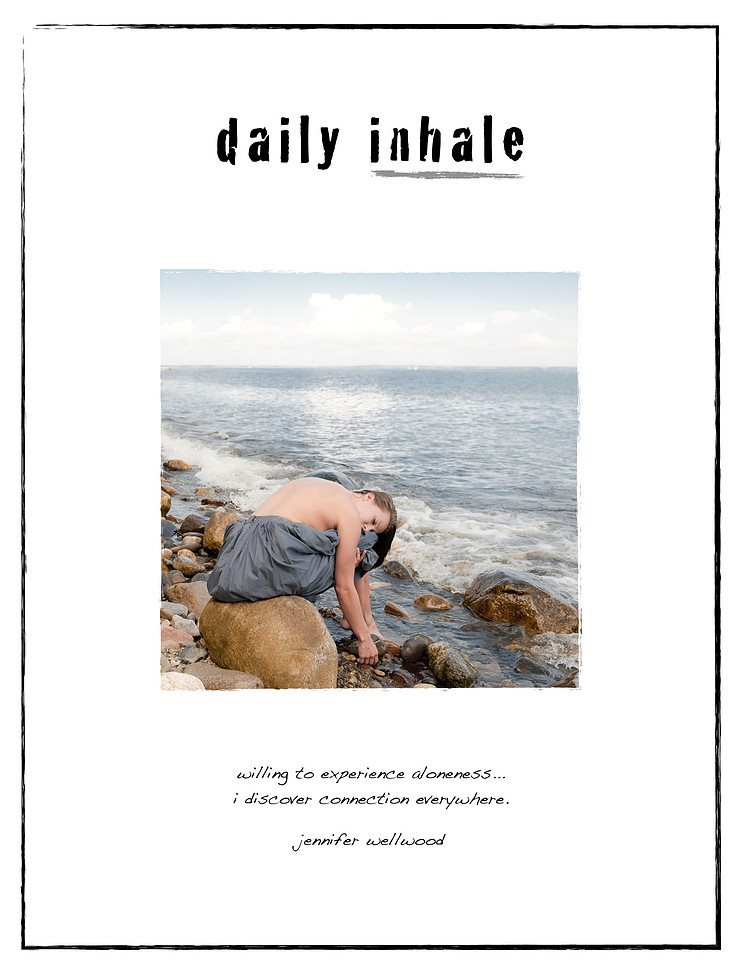
Buddhist writer and scholar Stephen Batchelor offered the above reflection in a recent conversation with On Being host Krista Tippett. The episode is titled Finding Ease in Aloneness, and it centers on how the present situation is forcing us all to work out the difference between isolation and loneliness or solitude.
Hailed as a "beautiful literary collage", The Art of Solitude is Batchelor's new book, and it teaches how to approach solitude as a graceful and life-giving practice. I notice a host of possibilities open up when I look at this chapter of self isolation as an art form to practice and sculpt, rather than as a sentence to serve out.
Among the wealth of wisdom shared in the Art of Solitude's pages, Batchelor defines the concept of being alone with yourself as... "Just being in your own company, and not only being OK with that, but also, recognizing that this is the source — this place of just settling is the place you find yourself, for example, if you’re a poet or a painter — that’s where your ideas begin. That’s where your imagination, your creativity, all start to, as it were, be germinated and then find form."
In morning, I "find" myself along the water, taking cues from the ocean. Despite its vacant shores, the surf swirls, the sea beams back blue and the show truly does go on. That nuance makes its imprint, and I go and practice my art. As we head into summertime, here's some inspiration for practicing yours?
The above is excerpted from EXHALE: LOOK, LISTEN & LEARN, a freely offered monthly communication, curated to keep you curious! Read MAY 2020's full EXHALE, and enjoy past issues here...

This morning, as I read of the multiple closings and cancellations in the arts communities in particular, a heavy sigh of sadness came over me. But, the news also lit for me a spark in terms of what small offering we each might make to somehow curb the fret brought on by these swirling developments. I am a big believer in the small ripple of the simplest (well) gesture. As a creative person, I instinctively pivot my energies towards the act of making/offering art as a refuge. Such was the case this morning, and my "pivot" rendered the following...
Creative muscles? Yes, we all have them — tucked quietly back there in the soul. Given the ongoing pound of the 24 hour news coverage of the coronavirus, and the limitations the virus is placing on our social interactions, there has never been a better time to access the super power that is our creativity. In order to call on them however, we need to pay that muscle some attention - just as we might at the gym with abdominals or pectorals or biceps.
In a recent social media post, the author Elizabeth Gilbert trumpeted the simple act of “doodling” as a soothe. In doing so, she referenced childhood and how we instinctively turned to crayons and paint and clay and such as a practice for assuaging anxiety. Remember putting on a smock of some sort, gathering up our materials and getting intentional about checking out of the morning’s troubles and checking back in to ourself through the doorway of creativity? So, why not recall that well-proven fix, right now, as an antidote to the drumbeat of the virus and its escalation - at least for some small moments in our day? The balm has never been easier and can be as simple as repurposing our ever-present devices. Create art, or just consume it… no smocks necessary.
Just how does one tone the creative muscle? Through practice, practice, practice… In the creative workshops I offer throughout the country I share the following five-limbed approach for doing just that -- a rather easy to follow game plan for calling on and exercising our creative spirit and build up emotional resilience.
Subtraction…
The first step in tapping into our artistic side is to heighten our senses and create some conditions for a clearer perception of things. This is simply not possible unless we eliminate or tone down some of the hindrances - those things in our life that are NOT serving us and clouding our true perception. It’s widely noted that “where attention goes, energy flows”… Subtraction looks like turning off some of the noise in your day (screens and commotion) for a few minutes, reconnecting with your breath and quietly taking stock of where we spend our energy. What are the things that lift your spirits and make you feel grounded and at ease? What are the habits (or people) that detract from our pleasants and create a feeling of tension or (dis)ease? Just notice what you notice. There is nothing to fiddle with at this point. Perhaps in this space of reflection you might set an intention to let those things which are NOT serving you fall off through modifying certain habits or imbibing smaller doses?

Inquire In…
Inquiring In is a natural extension of Subtraction. Now that you have taken some stock of the joyful (and not so joyful) aspects to your day, and made some space to get quiet, hopefully you have tapped into a clearing of sorts - a space and frequency in which you can better hear. This is the time to look around and notice where you see beauty. At this juncture, I often pose this question to my students, “what for you is poetic?” There is no wrong answer here. Essence is a seven letter word for something only YOU can hear. Listen, and go there. Perhaps it is something in the natural world that seizes your senses. In expressing yourself creatively through writing or a musical instrument, do you soothe the soul? Do flowers speak your language? Maybe planting yourself on a porch with a sketchpad, reading poetry, or collecting found objects hits for you a reset? As you begin this probe, here are five (first step) suggestions, easily accessible through your phone or computer, which might begin to light some sparks.
- Poem a Day: Poem-a-Day is the original (and only) daily digital poetry series featuring over 250 new, previously unpublished poems by today's talented poets each year. Visit the site, sign up for Poem-a-Day, and each morning a poem arrives in your in-box.
- Canva: Canva is an irresistible (free) app which opens the door to a host of creative distractions. With its very simple graphic interface, users can instantly create a host of colorful social media posts, invitations, presentations and cards for any occasion.
- YouTube: We all love YouTube for its ability to keep us informed. Beyond the laugh tracks and breaking news and tutorials explaining how to assemble that chair from IKEA however, there lies countless lessons on how to make every imaginable thing. From setting up an Instagram account, to making composite photographic images, to building a bonsai, YouTube has the scoop. And, it’s free and open 24 hours a day.
- CAMERA PLUS: This inexpensive iPhone app is just one of the countless tools for transforming your iPhone images. It is especially fabulous for macro photography and capturing flowers.
- Google Arts & Culture: Learn something new everyday through Google’s Art Project, which works in concert with over 250 institutions in a unique collaboration with the world’s most acclaimed art institutions, enabling people to discover and view artworks online in extraordinary detail.
Commit to Small Moments…
As you begin to recognize that connection with your favored subject or medium of creativity, the next step is to deepen that link. Take a look at your day and identify some of the non-negotiables such as sleeping, eating, walking the dog or working. These necessities, of course, grab considerable portions of our precious 24 hours. Can we designate such status to our newfound creative practice, reframe it as a nourishment of sorts and make it too a must? That act alone can feel empowering, and is the beginning of that build up of our emotional resilience. This slice of our day does not need to translate to a hefty chunk of time. Small moments are perfect. The important thing is to make the daily commitment to sit down with that book of poetry, the art app on your phone, a lovely violin concerto, your set of watercolors and E X H A L E.
Share the Merit…
This is a concept swiped from the Buddhist teaching which suggests that one shares the light (or merit) gained from their spiritual practice — beams it out into the world for the benefit of all. Share the Merit, in this instance, simply swaps out the “spiritual” practice for "creative" and invites us to go share the end result of our creative small moments.
“A thing of beauty is a joy for ever:
Its loveliness increases;
it will never pass into nothingness;
but still will keep a bower quiet for us,”
John Keats in his Book I of Endymion shared this lovely verse. This joy achieved by the act of creating or engaging with that “thing of beauty” is not limited to one, but is magnified when shared with others. And, there’s also the reciprocity factor as we gift something creative out into the world and experience a bit of gladness in that act. Technology can serve as a wonderful ally in this step!

Repeat…
Finally, if you truly want to get stronger in mind and soul, repeat, repeat, repeat the steps outlined here. Make joy a daily non-negotiable. With practice, the creative muscle strengthens seamlessly, and that power can sustain us in immeasurable degrees... especially in these hours of "social distancing". Amidst he drumbeat of “daily notifications”, shift in our current collective funk is possible. I'm not making this up! Calling on our creative spirit is a readily available prescription to begin that transformation now. So let us wash our hands, be on alert, pay proper attention to the medical community’s advice, and remember that taking good care also includes tending to the mind. Regular field trips to the soul… we are ALL better for them!
Susan Currie is a West Palm Beach-based Author and Photographer where she serves on the faculty of the Palm Beach Photographic Centre. Her books include BreathTaking, Gracenotes and Once Divided, all published by Shanti Arts. In the creative workshops she teaches throughout the country Susan shares her signature practices of “Slow Shooting” and incorporating mindfulness techniques into the creative process. www.susancurriecreative.com.
]]>
 ]]>
 ]]>
 ]]>
 ]]>
 ]]>
 ]]>
 ]]>
 ]]>
 ]]>
 ]]>

this land
on a saturday summer
this is america
to me
the fog ghosting the shore
and this frayed house
permitting it
to me,
it translates as such;
field work
the privilege
to pull the car off at the marsh’s trim
hop out, at magic time
and make myself a picture
tomorrow, and the next
it will reveal itself in clashing forms
this land
but for now
in the seascape, outside the clam shack
dusk knocking
just this translation
… grace shed
This year marks the 75th anniversary of the 1943 publication of Norman Rockwell's Four Freedoms paintings based on the 1941 State of the Union speech by President Franklin D. Roosevelt. The paintings are Freedom of Speech, Freedom of Worship, Freedom from Want, and Freedom from Fear. Shanti Arts has dedicated the fall 2018 issue of their journal, Still Point Arts Quarterly, to writing and art that reinterpret the Four Freedoms for today. I am grateful to their editors for sharing This Land with their readers. The image above (which prompted the verse) was captured in summertime along route 133 in Essex, Massachusetts. Purchase print editions of the fall issue of Still Point Arts Quarterly and download a free digital copy here...
 ]]>
 ]]>
 ]]>
 ]]>
 ]]>
 ]]>
 ]]>
 ]]>
 ]]>
 ]]>
 ]]>
 ]]>
 ]]>
 ]]>
 ]]>
 ]]>
 ]]>
 ]]>
 ]]>
 ]]>
 ]]>
 ]]>
 ]]>
 ]]>
 ]]>
 ]]>
 ]]>
 ]]>
 ]]>
 ]]>
 ]]>

]]>
 ]]>
 ]]>
 ]]>
 ]]>
 ]]>
 ]]>
 ]]>
 ]]>
 ]]>
 ]]>
 ]]>
 ]]>
 ]]>
 ]]>
 ]]>
 ]]>
 ]]>
 ]]>
 ]]>
 ]]>
 ]]>
 ]]>
 ]]>
 ]]>
 ]]>
 ]]>
 ]]>
 ]]>
 ]]>
 ]]>
 ]]>
Each time I muster the energy to pitch my work to an editor or a call for submissions I need to remind myself that, regardless of the outcome, I will learn from the process. Through my 20 plus years of creating, the rejections (and occasional success) have generated a host of surprises and in turn taught me much.
Last winter, right around now, as I was heading out to drive my son to school, I paused for a moment to pack my camera along for the ride. Maybe I could build an adventure into my routine? As luck would have it, a winter storm was just beginning its swirl. After the drop-off, I went home by another way in order to take in (and be astonished by) a beloved New England farm freshly dusted in snow. Fast forward to now... My "astonishment" appears on the cover of the brand new winter edition of The Tishman Review. Always a lesson! What an honor to be in the company of so much literary and other talent. Print copies are available through the magazine's website.

 ]]>
 ]]>
 ]]>
 ]]>
 ]]>
 ]]>
 ]]>
 ]]>
 ]]>
 ]]>
 ]]>
 ]]>
 ]]>
 ]]>
 ]]>
shadow cuts
a greater version of me…
it exists within
some where
so i sit, still
to unwrap the sluggish one
still, but fluid
quarrying space,
and time
still, but expanding
inching closer
in body, in heart
… in mind
to dwell unhindered like the breeze
not caught in a net
shadow cuts,
and this could happen
to me?
“sit still,” it was ordered
but never coached how
as the chilled pines do
so precisely
on the shortest day
]]>
 ]]>
 ]]>
 ]]>
 ]]>
 ]]>

a relaxed fusion of photographic images, poetic verse, and white space for journaling, GRACENOTES unfolds with ease, tempering the clamor of the day. crafted in the author’s signature lyrical flow, her words and images mirror back to one another, creating for the reader a field of quiet contemplation. the diffused light of its pages extends a respite for readers and writers of all levels.

 ]]>
 ]]>
 ]]>
 ]]>
 ]]>
 ]]>
 ]]>
 ]]>
 ]]>
 ]]>
 ]]>
 ]]>
 ]]>
 ]]>
 ]]>
 ]]>
 ]]>
 ]]>
 ]]>
 ]]>
 ]]>
 ]]>
 ]]>
 ]]>
 ]]>
 ]]>
 ]]>
 ]]>
 ]]>
 ]]>
 ]]>
 ]]>
 ]]>
 ]]>
 ]]>
 ]]>
 ]]>
 ]]>
 ]]>
 ]]>
 ]]>
 ]]>
 ]]>
 ]]>
 ]]>
 ]]>
 ]]>
 ]]>
 ]]>
 ]]>
 ]]>
 ]]>
 ]]>
 ]]>
 ]]>
 ]]>
 ]]>
 ]]>
 ]]>
 ]]>
 ]]>
 ]]>
 ]]>
 ]]>
 ]]>
 ]]>
 ]]>
 ]]>
 ]]>
 ]]>
 ]]>
 ]]>
 ]]>
 ]]>
 ]]>
 ]]>
 ]]>
 ]]>
 ]]>
 ]]>
 ]]>
 ]]>
 ]]>
 ]]>
 ]]>
 ]]>
 ]]>
 ]]>
 ]]>
 ]]>
 ]]>
 ]]>
 ]]>
 ]]>
 ]]>
 ]]>
 ]]>
 ]]>
 ]]>
 ]]>
 ]]>
 ]]>
 ]]>
 ]]>
 ]]>
 ]]>
 ]]>
 ]]>
 ]]>
 ]]>
 ]]>
 ]]>
 ]]>
 ]]>
 ]]>
 ]]>
 ]]>
 ]]>
 ]]>
 ]]>
 ]]>
 ]]>
 ]]>
 ]]>
 ]]>
 ]]>
 ]]>
 ]]>
 ]]>
 ]]>
 ]]>
 ]]>
 ]]>
 ]]>
 ]]>
 ]]>
 ]]>
 ]]>
 ]]>
 ]]>
 ]]>
 ]]>
 ]]>
 ]]>
 ]]>
 ]]>
 ]]>
 ]]>
 ]]>
 ]]>
 ]]>
 ]]>
 ]]>
 ]]>
 ]]>
 ]]>
 ]]>
 ]]>
 ]]>
 ]]>
 ]]>
 ]]>
 ]]>
 ]]>
 ]]>
 ]]>
 ]]>
 ]]>
 ]]>
 ]]>
 ]]>
 ]]>
 ]]>
 ]]>
 ]]>
 ]]>
 ]]>
 ]]>
 ]]>
 ]]>
 ]]>
 ]]>
 ]]>
 ]]>
 ]]>
 ]]>
 ]]>
 ]]>
 ]]>
 ]]>
 ]]>
 ]]>
 ]]>
 ]]>
 ]]>
 ]]>
 ]]>
 ]]>
 ]]>
 ]]>
 ]]>
 ]]>
 ]]>
 ]]>
 ]]>
 ]]>
 ]]>
 ]]>
 ]]>
 ]]>
 ]]>
 ]]>
 ]]>
 ]]>
 ]]>
 ]]>
 ]]>
 ]]>
 ]]>
 ]]>
 ]]>
 ]]>
 ]]>
 ]]>
 ]]>
 ]]>
 ]]>
 ]]>
 ]]>
 ]]>
 ]]>
 ]]>
 ]]>
 ]]>
 ]]>
 ]]>
 ]]>
 ]]>
 ]]>
 ]]>
 ]]>
 ]]>
 ]]>
 ]]>
 ]]>
 ]]>
 ]]>
 ]]>
 ]]>
 ]]>
 ]]>
 ]]>
 ]]>
 ]]>
 ]]>
 ]]>
 ]]>
 ]]>
 ]]>
 ]]>
 ]]>
 ]]>
 ]]>
 ]]>
 ]]>
 ]]>
 ]]>
 ]]>
 ]]>
 ]]>
 ]]>
 ]]>
 ]]>
 ]]>
 ]]>
 ]]>
 ]]>
 ]]>
 ]]>
 ]]>
 ]]>
 ]]>
 ]]>
 ]]>
 ]]>
 ]]>
 ]]>
 ]]>
 ]]>
 ]]>
 ]]>
 ]]>
 ]]>
 ]]>
 ]]>
 ]]>
 ]]>
 ]]>
 ]]>
 ]]>
 ]]>
 ]]>
 ]]>
 ]]>
 ]]>
 ]]>
 ]]>
 ]]>

]]>
 ]]>
 ]]>
 ]]>
 ]]>
 Image by Catherine Tahajian 2015]]>
 ]]>
 ]]>
 ]]>
 ]]>
 ]]>
 ]]>
 ]]>
 ]]>
 ]]>
 ]]>
 ]]>
 ]]>
 ]]>
 ]]>
 ]]>
 ]]>
 ]]>
 ]]>
 ]]>
 ]]>
 ]]>
 ]]>
 ]]>
 ]]>
 ]]>
 ]]>
 ]]>
 ]]>
 ]]>
 ]]>
 ]]>
 ]]>
 ]]>
 ]]>
 ]]>
 ]]>
 ]]>
 ]]>
 ]]>
 ]]>
 ]]>
 ]]>
 ]]>
 ]]>
 ]]>
 ]]>
 ]]>
 ]]>
 ]]>
 ]]>
 ]]>
 ]]>
 ]]>
 ]]>
 ]]>
 ]]>
 ]]>
 ]]>
 ]]>
 ]]>
 ]]>
 ]]>
 ]]>
 ]]>
 ]]>
 ]]>
 ]]>
 ]]>
 ]]>
 ]]>
 ]]>
 ]]>
 ]]>
 ]]>
 ]]>
 ]]>
 ]]>
 ]]>
 ]]>
 ]]>
 ]]>
 ]]>
 ]]>
 ]]>
 ]]>
 ]]>
 ]]>
 ]]>
 ]]>
 ]]>
 ]]>
 ]]>
 ]]>
 ]]>
 ]]>
 ]]>
 ]]>
 ]]>
 ]]>
 ]]>
 ]]>
 ]]>
 ]]>
 ]]>
 ]]>
 ]]>
 ]]>
 ]]>
 ]]>
 ]]>
 ]]>
 ]]>
 ]]>
 ]]>
 ]]>
 ]]>
 ]]>
 ]]>
 ]]>
 ]]>
 ]]>
 ]]>
 ]]>
 ]]>
 ]]>
 ]]>
 ]]>
 ]]>
 ]]>
 ]]>
 ]]>
 ]]>
 ]]>
 ]]>
 ]]>
 ]]>
 ]]>
 ]]>
 ]]>
 ]]>
 ]]>
 ]]>
 ]]>
 ]]>
 forwards]]>
 ]]>
 ]]>
 ]]>
 ]]>
 ]]>
 ]]>
 ]]>
 ]]>
 ]]>
 ]]>
 ]]>
 ]]>
 ]]>
 ]]>
 ]]>
 ]]>
 ]]>
 ]]>
 ]]>
 ]]>
 ]]>
 ]]>
 ]]>
 ]]>
 ]]>
 ]]>
 ]]>
 ]]>
 ]]>
 ]]>
 ]]>
 ]]>
 ]]>
 ]]>
 ]]>
 ]]>
 ]]>
 ]]>
 ]]>
 ]]>
 ]]>
 ]]>
 ]]>
 ]]>
 ]]>
 ]]>
 ]]>
 ]]>
 ]]>
 ]]>
 ]]>
 ]]>
 ]]>
 ]]>
 ]]>
 ]]>
 ]]>
 ]]>
 ]]>
 ]]>
 ]]>
 ]]>
 ]]>
 ]]>
 ]]>
 ]]>
 ]]>
 ]]>
 ]]>
 ]]>
 ]]>
 ]]>
 ]]>
 ]]>
 ]]>
 ]]>
 ]]>
 ]]>
 ]]>
 ]]>
 ]]>
 ]]>
 ]]>
 ]]>
 ]]>
 ]]>
 ]]>
 ]]>
 ]]>
 ]]>
 ]]>
 ]]>
 ]]>
 ]]>
 ]]>
 ]]>
 ]]>
 ]]>
 ]]>
 ]]>
 ]]>
 ]]>
 ]]>
 ]]>
 ]]>
 ]]>
 ]]>
 ]]>
 ]]>
 ]]>
 ]]>
 ]]>
 ]]>
 ]]>
 ]]>
 ]]>
 ]]>
 ]]>
 ]]>
 ]]>
 ]]>
 ]]>
 ]]>
 ]]>
 ]]>
 ]]>
 ]]>
 ]]>
 ]]>
 ]]>
 ]]>
 ]]>
 ]]>
 ]]>
 ]]>
 ]]>
 ]]>
 ]]>
 ]]>
 ]]>
 ]]>
 ]]>
 ]]>
 ]]>
 ]]>
 ]]>
 ]]>
 ]]>
 ]]>
 ]]>
 ]]>
 ]]>
 ]]>
 ]]>
 ]]>
 ]]>
 ]]>
 ]]>
 ]]>
 ]]>
 ]]>
 ]]>
 ]]>
 ]]>
 ]]>
 ]]>
 ]]>
 ]]>
 ]]>
 ]]>
 ]]>
 ]]>
 ]]>
 ]]>
 ]]>
 ]]>
 ]]>
 ]]>
 ]]>
 ]]>
 ]]>
 ]]>
 ]]>
 ]]>
 ]]>
 ]]>
 ]]>
 ]]>
 ]]>
 ]]>
 ]]>
 ]]>
 ]]>
 ]]>
 ]]>
 ]]>
 ]]>
 ]]>
 ]]>
 ]]>
 ]]>
 ]]>
 ]]>
 ]]>
 ]]>
 ]]>
 ]]>
 ]]>
 ]]>
 ]]>
 ]]>
 ]]>
 ]]>
 ]]>
 ]]>
 ]]>
 ]]>
 ]]>
 ]]>
 ]]>
 ]]>
 ]]>
 ]]>
 ]]>
 ]]>
 ]]>
 ]]>
 ]]>
 ]]>
 ]]>
 ]]>
 ]]>
 ]]>
 ]]>
 ]]>
 ]]>
 ]]>
 ]]>
 ]]>
 ]]>
 ]]>
 ]]>
 ]]>
 ]]>
 ]]>
 ]]>
 ]]>
 ]]>
 ]]>
 and you will]]>
 ]]>
 ]]>
 ]]>
 ]]>
 ]]>
 ]]>
 ]]>
 ]]>
 ]]>
 ]]>
 ]]>
 ]]>
 ]]>
 ]]>
 ]]>
 ]]>
 ]]>
 ]]>
 ]]>
 ]]>
]]>
 ]]>
 ]]>
 ]]>
 ]]>
 ]]>
 ]]>
 ]]>
 ]]>
 ]]>
 ]]>
 ]]>
 ]]>
 ]]>
 ]]>
 ]]>
 ]]>
 ]]>
 ]]>
 ]]>
 ]]>
 ]]>
 ]]>
 ]]>
 ]]>
 ]]>
 ]]>
 ]]>
 ]]>
 ]]>
 ]]>
 ]]>
 ]]>
 ]]>
 ]]>
 ]]>
 ]]>
 ]]>
 ]]>
 ]]>
 ]]>
 ]]>
 ]]>
 ]]>
 ]]>
 ]]>
 ]]>
 ]]>
 ]]>
 ]]>
 ]]>
 ]]>
 ]]>
 ]]>
 ]]>
 ]]>
 ]]>
 ]]>
 ]]>
 ]]>
 ]]>
 ]]>
 the best]]>
 ]]>
 ]]>
 ]]>
 ]]>
 ]]>
 ]]>
 ]]>
 ]]>
 ]]>
 ]]>
 ]]>
 ]]>
 ]]>
 ]]>
 ]]>
 ]]>
 ]]>
 ]]>
 ]]>
 ]]>
 ]]>
 ]]>
 ]]>
 ]]>
 ]]>
 ]]>
 ]]>
 ]]>
 ]]>
 ]]>
 ]]>
 ]]>
 ]]>
 ]]>
 ]]>
 ]]>
 ]]>
 ]]>
 ]]>
 ]]>
 ]]>
 ]]>
 ]]>
 ]]>
 ]]>
 ]]>
 ]]>
 ]]>
 ]]>
 ]]>
 ]]>
 ]]>
 ]]>
 ]]>
 ]]>
 ]]>
 ]]>
 ]]>
 ]]>
 ]]>
 ]]>
 ]]>
 ]]>
 ]]>
 ]]>
 ]]>
 ]]>
 ]]>
 ]]>
 ]]>
 ]]>
 ]]>
 ]]>
 ]]>
 ]]>
 ]]>
 ]]>
 ]]>
 ]]>
 ]]>
 ]]>
 ]]>
 ]]>
 ]]>
 ]]>
 ]]>
 ]]>
 ]]>
 ]]>
 ]]>
 ]]>
 ]]>
 ]]>
 ]]>
 ]]>
 ]]>
 ]]>
 ]]>
 ]]>
 ]]>
 ]]>
 ]]>
 ]]>
 ]]>
 ]]>
 ]]>
 ]]>
 ]]>
 ]]>
 ]]>
 ]]>
 ]]>
 ]]>
 ]]>
 ]]>
 ]]>
 ]]>
 ]]>
 ]]>
 ]]>
 ]]>
 ]]>
 ]]>
 ]]>
 ]]>
 ]]>
 ]]>
 ]]>
 ]]>
 ]]>
 ]]>
 ]]>
 ]]>
 ]]>
 ]]>
 ]]>
 ]]>
 ]]>
 ]]>
 ]]>
 ]]>
 ]]>
 ]]>
 ]]>
 ]]>
 ]]>
 ]]>
 ]]>
 ]]>
 ]]>
 ]]>
 ]]>
 ]]>
 ]]>
 ]]>
 ]]>
 ]]>
 ]]>
 ]]>
 ]]>
 ]]>
 ]]>
 ]]>
 ]]>
 ]]>
 ]]>
 ]]>
 ]]>
 ]]>
 ]]>
 ]]>
 ]]>
 ]]>
 ]]>
 ]]>
 ]]>
 ]]>
 ]]>
 ]]>
 ]]>
 ]]>
 ]]>
 ]]>
 ]]>
 ]]>
 ]]>
 ]]>
 ]]>
 ]]>
 ]]>
 ]]>
 ]]>
 ]]>
 ]]>
 ]]>
 ]]>
 ]]>
 ]]>
 ]]>
 ]]>
 ]]>
 ]]>
 ]]>
 ]]>
 ]]>
 ]]>
 ]]>
 ]]>
 ]]>
 ]]>
 ]]>
 ]]>
 ]]>
 ]]>
 ]]>
 ]]>
 ]]>
 ]]>
 ]]>
 ]]>
 ]]>
 ]]>
 ]]>
 ]]>
 ]]>
 ]]>
 ]]>
 ]]>
 ]]>
 ]]>
 ]]>
 ]]>
 ]]>
 ]]>
 ]]>
 ]]>
 ]]>
 ]]>
 ]]>
 ]]>
 ]]>
 ]]>
 ]]>
 ]]>
 ]]>
 ]]>
 ]]>
 ]]>
 ]]>
 ]]>
 ]]>
 ]]>
 ]]>
 ]]>
 ]]>
 ]]>
 ]]>
 ]]>
 ]]>
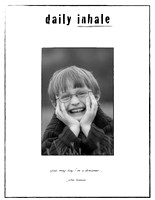
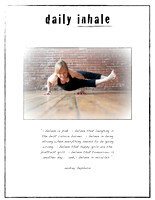
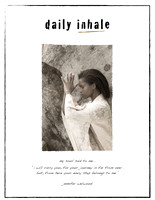
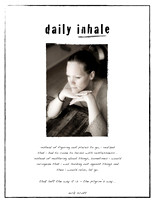
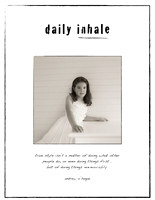
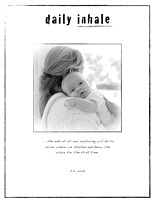
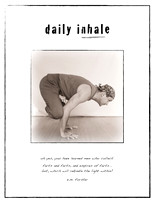
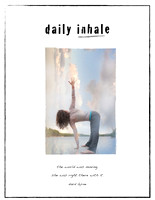
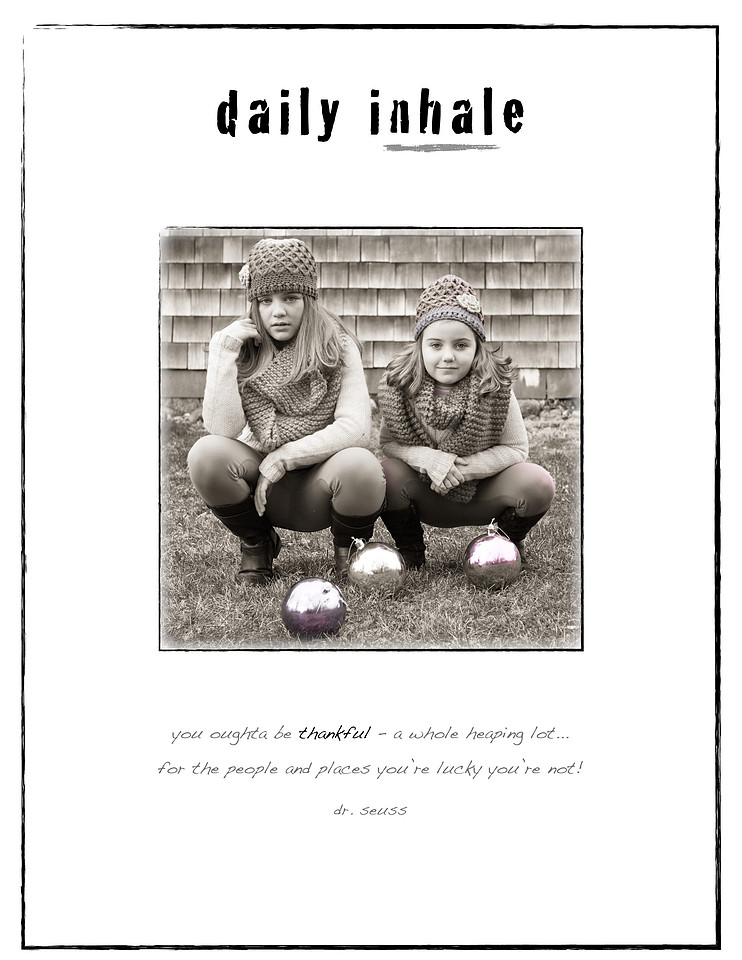
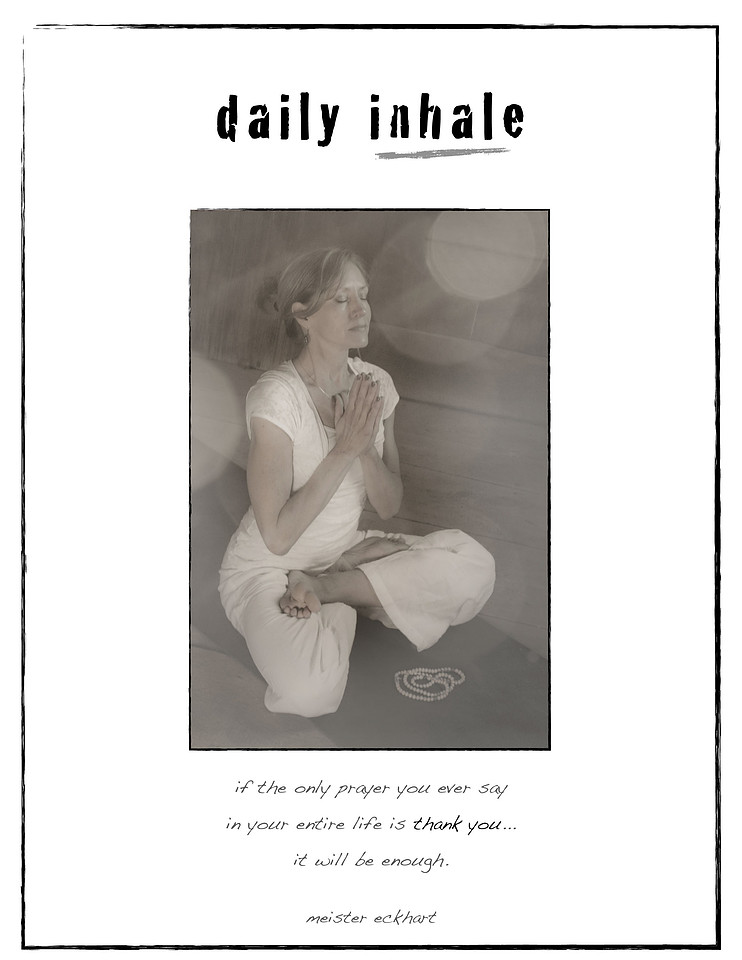
"i can no other answer make but thanks… and thanks, and ever thanks."


 ]]>
 ]]>
 ]]>
 ]]>
 ]]>
 ]]>
 ]]>
 ]]>
 ]]>
 ]]>
 ]]>
 ]]>
 ]]>
 ]]>
 ]]>
 ]]>
 ]]>
 ]]>
 ]]>
 ]]>
 ]]>
 ]]>
 ]]>
 ]]>
 ]]>
 ]]>
 ]]>
 ]]>
 ]]>
 ]]>
 ]]>
 ]]>
 ]]>
 ]]>
 ]]>
 ]]>
 ]]>
 ]]>
 ]]>
 ]]>
 ]]>
 ]]>
 ]]>
 ]]>
 ]]>
 ]]>
 ]]>
 ]]>
 ]]>
 ]]>
 ]]>
 ]]>
 ]]>
 ]]>
 ]]>
 ]]>
 ]]>
 ]]>
 ]]>
 ]]>
 ]]>
 ]]>
 ]]>
 ]]>
 ]]>
 ]]>
 ]]>
 ]]>
 ]]>
 ]]>
 ]]>
 ]]>
 ]]>
 -]]>
 ]]>
 ]]>
 ]]>
 ]]>
 ]]>
 ]]>
 ]]>
 ]]>
 ]]>
 ]]>
 ]]>
 ]]>
 ]]>
 ]]>
 ]]>
 ]]>
 ]]>
 ]]>
 ]]>
 ]]>

]]>
 ]]>
 ]]>
 ]]>
 ]]>
 ]]>
 ]]>
 ]]>
 ]]>
 ]]>
 ]]>
 ]]>
 ]]>
 ]]>
 ]]>
 ]]>
 ]]>
 ]]>
 ]]>
 ]]>
 ]]>
 ]]>
 ]]>
 ]]>
 ]]>
 ]]>
 ]]>
 ]]>
 ]]>
 ]]>
 ]]>
 ]]>
 ]]>
 ]]>
 ]]>
 ]]>
 ]]>
 ]]>
 ]]>
 ]]>
 ]]>
 ]]>
 ]]>
 ]]>
 ]]>
 ]]>
 ]]>
 ]]>
 ]]>
 ]]>
 ]]>
 ]]>
 ]]>
 ]]>
 ]]>
 ]]>
 ]]>
 ]]>
 ]]>
 ]]>
 ]]>
 ]]>
 ]]>
 ]]>
 ]]>
 ]]>
 ]]>
 ]]>
 ]]>
 ]]>
 ]]>
 ]]>
 ]]>
 ]]>
 ]]>
 ]]>
 ]]>
 ]]>
 ]]>
 ]]>
 ]]>
 ]]>
 ]]>
 ]]>
 ]]>
 ]]>
 ]]>
 ]]>
 ]]>
 ]]>
]]>
 ]]>
 ]]>
 ]]>
 ]]>
 ]]>
 ]]>
 ]]>
 ]]>
 ]]>
 ]]>
 ]]>
 ]]>
 ]]>
 ]]>
 ]]>
 ]]>
 ]]>
 ]]>
 ]]>
 ]]>
 ]]>
 ]]>
 ]]>
 ]]>
 ]]>
 ]]>
 ]]>
 ]]>
 ]]>
 ]]>
 ]]>
 ]]>
 ]]>
 ]]>
 ]]>
 ]]>
 ]]>
 ]]>
 ]]>
 ]]>
 ]]>
 ]]>
 ]]>
 ]]>
 ]]>
 ]]>
 ]]>
 ]]>
 ]]>
 ]]>
 ]]>
 ]]>
 ]]>
 ]]>
 ]]>
 ]]>
 ]]>
 ]]>
 ]]>
 ]]>
 ]]>
 ]]>
 ]]>
 ]]>
 ]]>
 ]]>
 ]]>
 ]]>
 ]]>
 ]]>
 ]]>
 ]]>
 ]]>
 ]]>
 ]]>
 ]]>
 ]]>
 ]]>
 ]]>
 ]]>
 ]]>
 ]]>
 ]]>
 ]]>
 ]]>
 ]]>
 ]]>
 ]]>
 ]]>
 ]]>
 ]]>
 ]]>
 ]]>
 ]]>
 ]]>
 ]]>
 ]]>
 ]]>
 ]]>
 ]]>
 ]]>
 ]]>
 ]]>
 ]]>
 ]]>
 ]]>
 ]]>
 ]]>
 ]]>
 ]]>
 ]]>
 ]]>
 ]]>
 ]]>
 ]]>
 ]]>
 ]]>
 ]]>
 ]]>
 ]]>
 ]]>
 ]]>
 ]]>
 ]]>
 ]]>
 ]]>
 ]]>
 ]]>
 ]]>
 ]]>
 ]]>
 ]]>
 ]]>
 ]]>
 ]]>
 ]]>
 ]]>
 ]]>
 ]]>
 ]]>
 ]]>
 ]]>
 ]]>
 ]]>
 ]]>
 ]]>
 ]]>
 ]]>
 ]]>
 ]]>
 ]]>
 ]]>
 ]]>
 ]]>
 ]]>
 ]]>
 ]]>
 ]]>
 ]]>
 ]]>
 ]]>
 ]]>
 ]]>
 ]]>
 ]]>
 ]]>
 ]]>
 ]]>
 ]]>
 ]]>
 ]]>
 ]]>
 ]]>
 ]]>
 ]]>
 ]]>
 ]]>
 ]]>